
So many times, black women have are seen as the strength behind social injustice, family battles, and everything in between. And while I understand women fought for rights, but the fight was also for “Equal” rights. And as we can see from the world, we leave in that all that fighting didn’t favor black women much at all. Everyone equates black women with strength, but no one ever asked black women if we wanted to be the face of strength.
Being a strong black woman is not the compliment that people believe it is. No one is walking around saying “strong white woman”. White women are automatically seen as soft, damsel in distress, in need of help, and in today’s terminology “just a girl”. Black women must demand to be treated softly only to then be deemed aggressive. It’s a destructive double standard.

The stereotype of the “strong black woman” has several negative impacts on black women, both individually and collectively. While this label often arises from a place of admiration for resilience and strength, it carry’s significant burdens and consequences.
Pressure to Conform: The stereotype creates an expectation for black women to be perpetually strong and self-sufficient, leading to societal pressure to suppress vulnerability and emotional expression. This can hinder our ability to seek help or show weakness, as doing so may be perceived as a deviation from the stereotype.
Neglect of Mental Health: Because of the “strong black woman” trope, there is often a lack of recognition of the mental health struggles that black women face. We may feel compelled to endure trauma and stress without adequate support, which can contribute to issues such as anxiety, depression, and burnout. The stigma surrounding mental health can be exacerbated by expectations to remain resilient.
And Sometimes we just don’t want to!
Exploitation in the Workplace: In professional settings, black women may be expected to take on additional responsibilities or to serve as the emotional support for colleagues and superiors, leading to a form of exploitation. Our strength can be taken for granted, resulting in fewer opportunities for career advancement, underestimation of our contributions, or being overlooked for promotions.
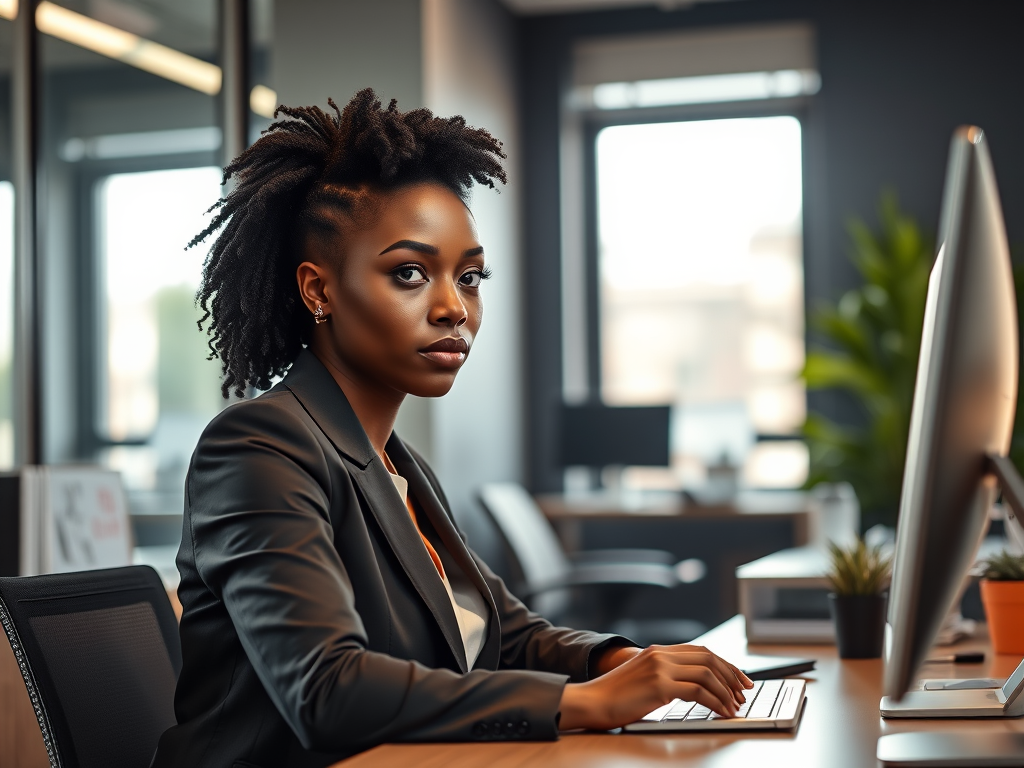
Intersectionality: The “strong black woman” stereotype often intersects with other identities, including race, gender, and class. This intersectionality can intensify the challenges we face, as we navigate multiple layers of discrimination and bias. The expectation to be strong can overshadow the specific issues related to their intersecting identities.
Impact on Relationships: The stereotype can affect interpersonal relationships, making it difficult for black women to be seen as fully human rather than simply as embodiments of strength. This can lead to misunderstandings in romantic and platonic relationships, where partners or friends may struggle to recognize their vulnerabilities and emotional needs.
Cultural Representation: Media portrayals often reinforce the “strong black woman” stereotype, limiting the representation of black women to a single narrative. This lack of diversity in representation can perpetuate misconceptions and fail to capture the complexity of their experiences and identities.
Self-Perception: Internalizing the stereotype can lead some black women to feel pressured to live up to these expectations, impacting their self-esteem and sense of identity. Black women may feel they must consistently embody strength, potentially leading to feelings of inadequacy if they do not meet those expectations.
While the strength of black women is a testament to resilience and endurance, the burden of being seen solely through this lens is detrimental. It is essential to broaden the narrative around black women to include their full range of experiences — pain, joy, vulnerability, and all the complexities that come with being human. Recognizing and challenging this stereotype can lead to more authentic representations and a better understanding of the diverse experiences of black women.
Black women you deserve to just be present. Demand softness, empathy, and know that you do not have to be everything for everyone.
 Love Nakia
Leave a comment