

The experience of Black women who are the oldest daughters can be unique and often comes with a mix of responsibilities, expectations, and cultural dynamics. Many seek mentorship and role models among older Black women to help guide them through personal and professional challenges. But what happens when you are not able to do that. My personal experience has not afforded me the ability to seek out a mentor that I can trust enough to be personal with. Personally that has left me empty and holding on to my emotions which can become unhealthy.
The role of the oldest daughter in many families often comes with significant responsibilities, including caring for younger siblings, assisting with household chores, and serving as a role model. This position can help develop leadership skills, resilience, and a strong sense of accountability from an early age. However, these responsibilities also bring challenges. Oldest daughters may experience emotional labor, feeling the weight of caregiving while managing their own personal struggles. Additionally, there can be intense pressure to succeed academically and professionally, which may lead to stress and anxiety. Being the oldest daughter in a black home can lead to adultification, I had to learn to suck up my discontent, my discomfort, my genuine unhappiness because I had to be a source of routine for my siblings. There was simply no way I could be unhappy about anything because then I was just a child “what is there to be mad about” was something I heard often. Imagine having a parent tell you “you don’t have any real problems what you mad for”, and in the same breath tell you “no you can’t go play with your lil friends because I’m going out and you need to help your sister with her homework and fix them dinner” at 13 yrs old. The truth is little black girls don’t always have it so easy. It’s even worse when your family lives in the projects and you seem to be the only hope to get out of it.
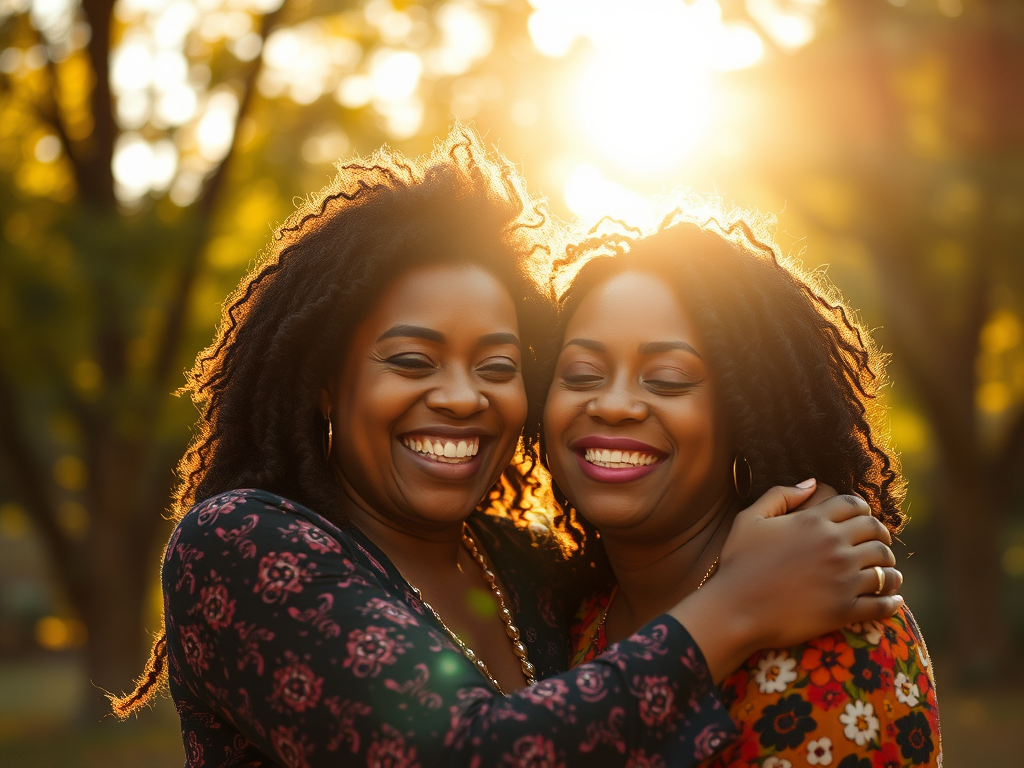
Being the oldest daughter in Black culture can have a meaningful impact on your friendships. Often, as the oldest, you might take on a nurturing, responsible role within your family, which can carry over into your social relationships. You may naturally become a supportive and dependable friend, someone others turn to for advice or comfort. This sense of responsibility can strengthen your bonds, but it might also mean you sometimes prioritize caring for others over your own needs. Additionally, because of cultural values emphasizing family loyalty and respect for elders, you may feel a strong sense of duty to balance your personal friendships with family expectations. This can influence how openly you share personal experiences or how much time you dedicate to friends versus family commitments. I am the oldest in my friend circle, and while I will always show up for my friends, i don’t ever feel good about burdening them with my problems. And it’s not that they make me feel like I am a burden, its simply that growing up I couldn’t possibly have a real problem, so I don’t know how to comfortably express when I do as an adult.
In Black communities, shared cultural experiences and collective resilience often foster close-knit friendships. As the oldest daughter, you might act as a bridge between generations, helping friends understand cultural traditions and community values, which can deepen your connections. However, because of these responsibilities, there might be times when friendships require more effort to maintain, especially if you’re balancing multiple roles. Overall, being the oldest daughter can make you a trusted, caring friend, but it also calls for balancing your personal life with familial and cultural responsibilities. The balancing act gets heavy and when you have to put it down you feel guilty. But how else can you recuperate.
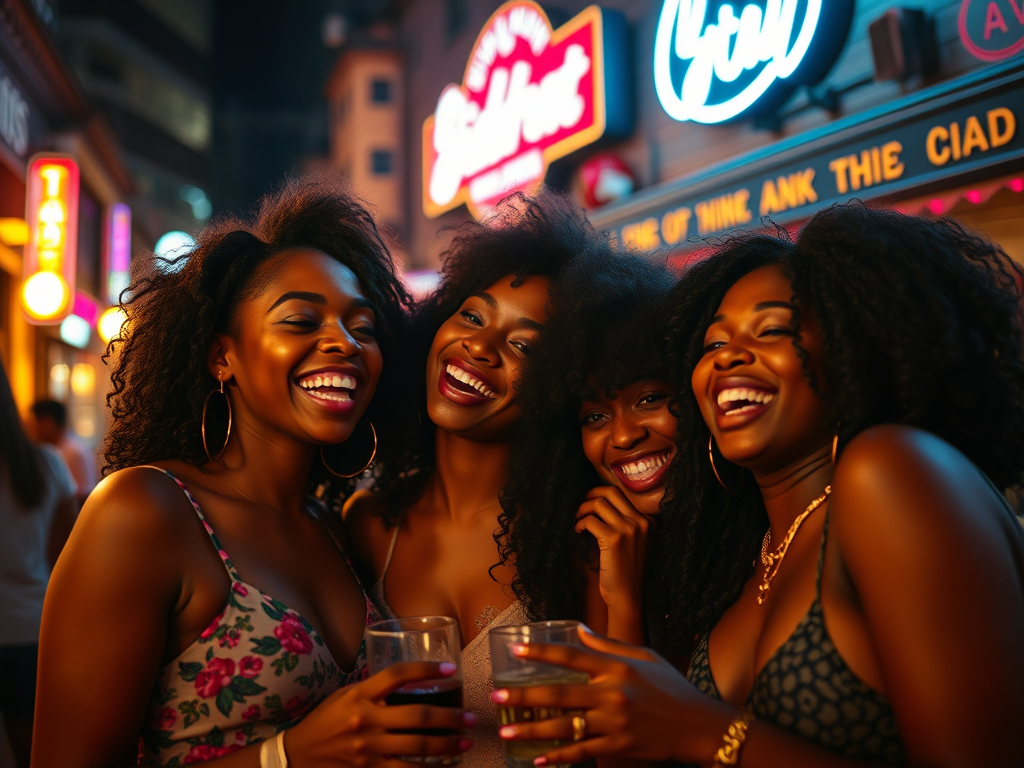
For Black women who are the oldest daughters, connecting with older role models is essential for navigating their unique challenges. These relationships offer wisdom, encouragement, and strength, empowering them to forge their own paths while honoring familial responsibilities. Developing spaces for mentorship and open dialogue can profoundly influence their journeys toward personal and professional fulfillment.
Writing this has taken some time because I didn’t want to hurt any feelings with my feelings. I didn’t want to offend and I didn’t want to express a need. Recently I took a personal leap. I got the opportunity to be vulnerable with a group of women within multiple age ranges with different backgrounds and upbringing. I got to express some thoughts and share my own experiences and those moments left me whole and a bit more wiser. And for that I truly thank those ladies. I was a stranger to most but I never felt like I was.
I went to a concert, I sat by myself and I felt great, I felt proud of myself and proud of what’s to come in my life in spite of its many challenges.
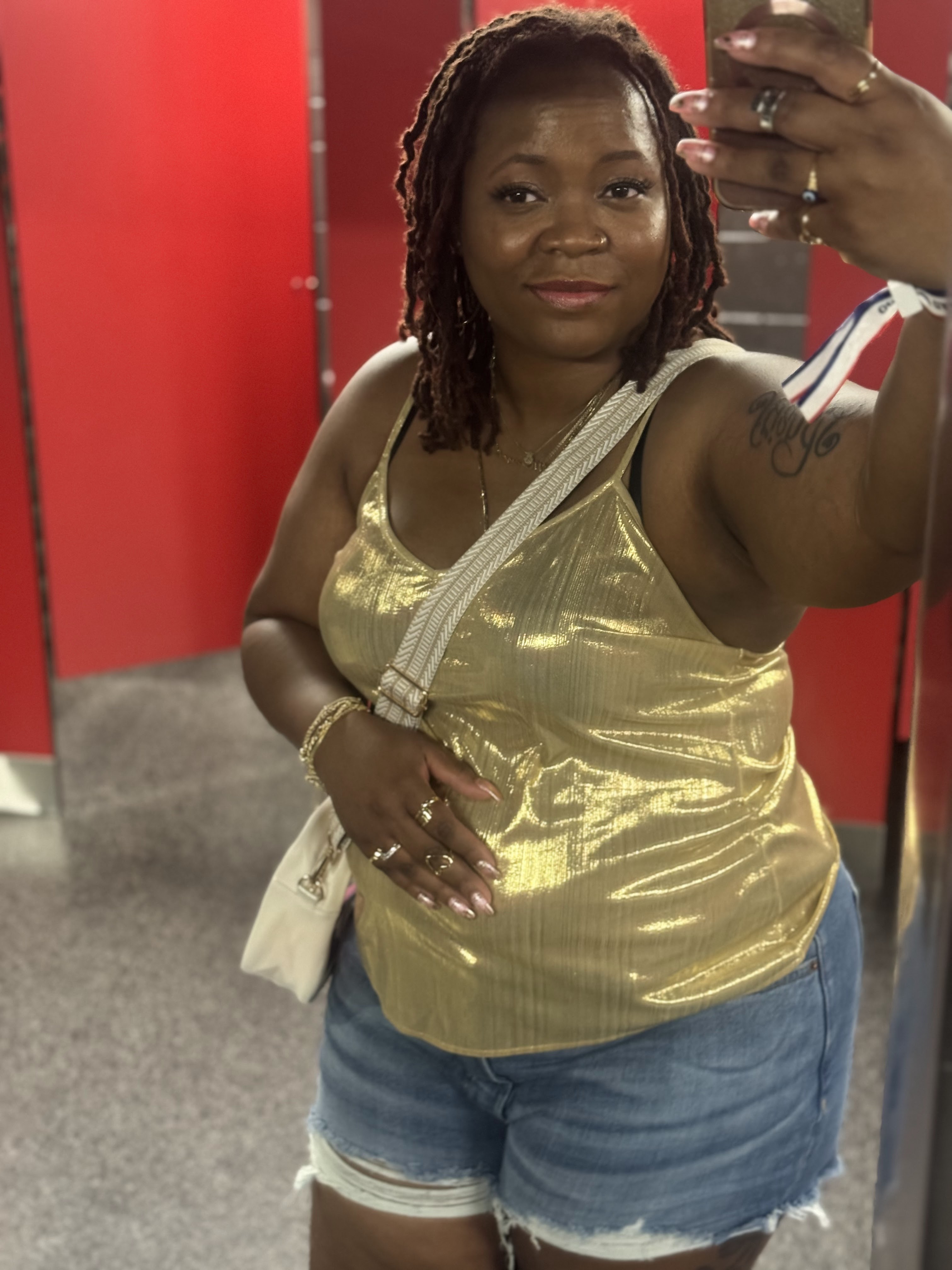
*This is based on my own life and experiences and while some data may be factual, it’s loosely my opinion*
 Love Nakia
Leave a comment